


How to Create a Sustainable Garden

Updated: Jan 25, 2024

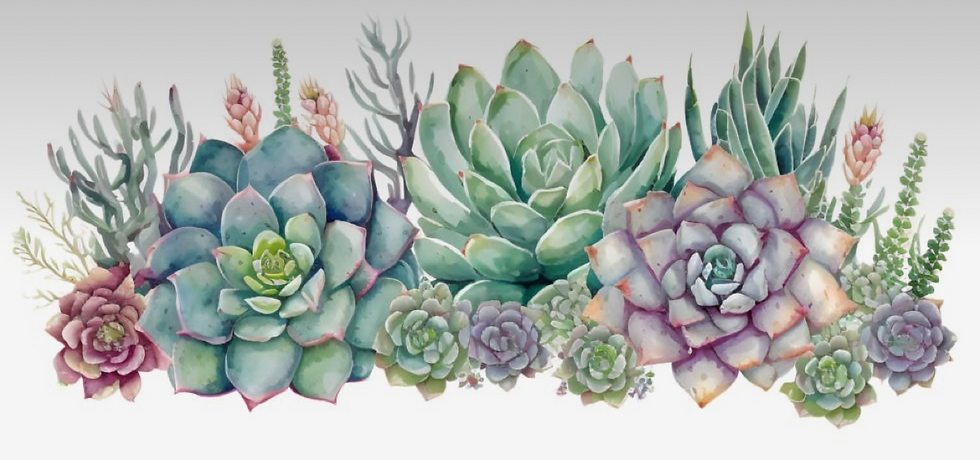
Creating a sustainable garden not only benefits the environment but also provides you with a beautiful and thriving outdoor space. By implementing eco-friendly practices, you can reduce your carbon footprint and contribute to a healthier planet. In this blog post, we will explore some tips and ideas on how to create a sustainable garden like the one depicted in the image. 1. Composting: One of the key elements of a sustainable garden is composting. Instead of throwing away kitchen scraps and yard waste, create a compost pile or bin. Compost adds nutrients to the soil, improves its structure, and reduces the need for chemical fertilizers. It also helps in reducing waste going to landfills. 2. Rainwater Harvesting: Another sustainable practice is rainwater harvesting. Install rain barrels or a rainwater collection system to capture and store rainwater. This water can be used for watering your plants, reducing the need for tap water. It also helps in conserving water resources and reduces your water bill. 3. Companion Planting: Companion planting is a technique where you grow different plants together that benefit each other. For example, planting marigolds alongside vegetables can deter pests, while growing beans near corn provides natural support for the corn stalks. Companion planting reduces the need for pesticides and promotes a healthy ecosystem in your garden. 4. Organic Pest Control: Instead of relying on chemical pesticides, opt for organic pest control methods. Introduce beneficial insects like ladybugs and lacewings that feed on garden pests. Use natural remedies like neem oil or homemade insecticidal soap to control common garden pests. This approach helps maintain a balance in your garden and protects beneficial insects. 5. Native Plants: Incorporate native plants into your garden design. Native plants are adapted to the local climate and require less water, fertilizer, and maintenance. They also provide food and habitat for local wildlife, contributing to biodiversity in your garden. 6. Mulching: Mulching is an essential practice in sustainable gardening. Apply a layer of organic mulch, such as wood chips or straw, around your plants. Mulch helps retain moisture in the soil, suppresses weeds, and improves soil health. It also reduces the need for frequent watering and weed control. 7. Organic Fertilizers: Instead of synthetic fertilizers, use organic fertilizers like compost, worm castings, or seaweed extracts. Organic fertilizers release nutrients slowly, providing a steady supply to your plants. They also improve soil fertility and promote beneficial microbial activity. 8. Conservation of Resources: Practice water conservation by using drip irrigation or soaker hoses instead of sprinklers. Water your plants early in the morning or late in the evening to minimize evaporation. Use energy-efficient tools and equipment in your garden, such as solar-powered lights or battery-operated tools. By implementing these sustainable gardening practices, you can create a vibrant and environmentally friendly garden like the one depicted in the image. Not only will you enjoy the beauty of your garden, but you will also contribute to a greener and healthier planet. Happy gardening!


Comments